GSA SER Global Site List
Understanding the GSA SER Global Site List
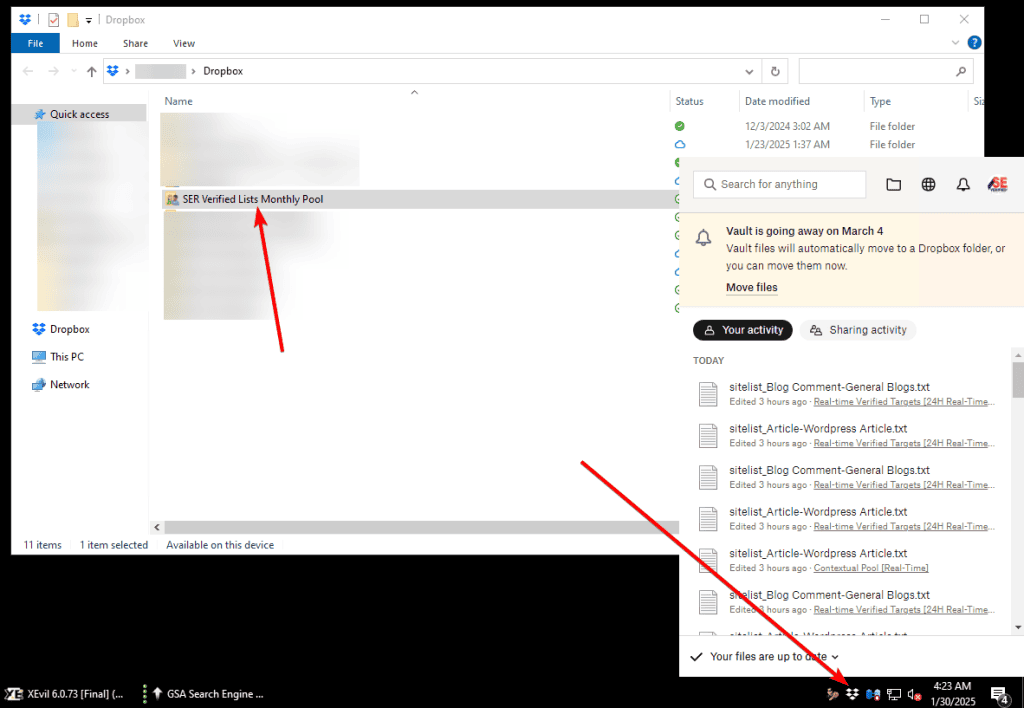
For anyone automating link building with GSA Search Engine Ranker, the engine’s performance depends heavily on the quality and quantity of its target URLs. At the core of this automation lies a massive text file known as the GSA SER global site list. This list is essentially a curated database of websites where the software can attempt to create backlinks, and understanding how to source and manage it can dramatically alter campaign success rates.
What Exactly Is the GSA SER Global Site List?
The GSA SER global site list is a plain-text repository containing tens or even hundreds of thousands of URLs. These aren’t random scraped domains; they are platforms identified by their footprints—specific scripts or content management systems like WordPress, Drupal, Joomla, forums, guestbooks, and article directories. By matching these footprints, GSA SER knows exactly how to register an account, fill in a profile, or submit a guest post without human intervention.
Without a robust global site list, the software would waste resources crawling the web guessing where to post. A well-maintained list acts as a shortcut, directing the engine straight to proven, parseable targets. The term “global†indicates that these URLs are intended to be used across all types of campaigns, regardless of niche, because they are based on platform identification rather than content relevance.
Why the Global Site List Is a Game Changer
Relying on GSA SER’s built-in search engine scraping can be slow and often results in walls of junk domains. A dedicated GSA SER global site list injects immediate momentum into a project. You bypass the search engine latency and potential IP bans, jumping directly to the point of submission. This leads to a higher verified link rate in the first few hours of a campaign.
Furthermore, a good global site list filters out massive blocks of dead domains and redirect chains. Because these lists are often compiled from verified indexing data, the platforms are more likely to generate live links that stick. For users running tiered link building, where speed and volume are critical for lower tiers, the global site list is indispensable.
Verified vs. Footprint-Based Lists
Not all global site lists are equal. Raw footprint lists contain URLs that are likely to belong to a certain engine (e.g., all URLs containing “/wp-login.phpâ€), but many might be behind hardened security or require premium accounts. A premium GSA SER global site list goes a step further: it is often pre-tested to confirm automatic registration is possible. These verified lists sacrifice raw quantity for a much higher LPM (links per minute) and lower CPU load, as the software doesn’t spend time on impossible targets.
How to Integrate the List Into Your Workflow
Adding the list here is straightforward. In the GSA SER interface, you navigate to the project options, locate the dedicated window for “Global Site Lists,†and simply import the .txt file. Once loaded, the engine checks the URLs against enabled engines. If you have the blog comment engine disabled but the list contains thousands of WordPress URLs, those entries will be skipped until the engine is re-enabled. This makes the GSA SER global site list a modular resource that adapts to your currently active modules.
Mixing the Global List With Search Engine Lookups
Many advanced users don’t use the global site list in isolation. They combine it with active search engine scraping to continuously refresh targets. The global list serves as a steady baseline of guaranteed platforms, while the fresh searches inject new domains that haven’t been burned out. This hybrid approach prevents the software from hammering the same 10,000 known URLs until they all get banned, extending the lifespan of the list.
Where to Source a High-Quality GSA SER Global Site List
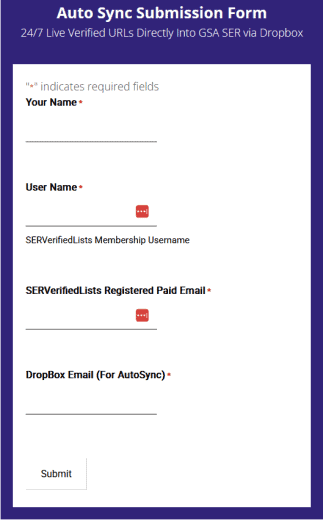
Publicly shared lists found on forums can be outdated within days, as webmasters patch exploits and bulk-delete spam accounts. For serious link builders, subscribing to a private provider that updates a monthly or weekly GSA SER global site list is a standard practice. These providers run dedicated servers that continuously test footprints, remove captcha-blocked hosts, and add fresh database-driven domains. The investment pays for itself by reducing captcha solving costs and wasted proxies.
Maintaining Your Own Custom List
Power users often build a personal GSA SER global site list from the successful “Verified†folder of past projects. Every link that was created and stuck gets stripped to its domain root and added to a master list. Over months, this proprietary list becomes a goldmine of low-spam, historically tolerant domains that rival or beat any public offering. Using tools in combination with site checkers, you can prune dead domains and keep the list clean.
Common Pitfalls and Optimization Tips
Importing a bloated list of 2 million URLs won’t help if your threads are bottlenecked. It’s better to use a targeted GSA SER global site list with perhaps 50,000 highly verified domains and let the software cycle through them efficiently. You should also monitor the engine’s log to see if the list is triggering an abnormal rate of “Download failed†or “Service unavailable†errors, which indicates the domains are dead or have aggressive firewalls.
Additionally, never rely solely on a global site list for money-site tiers. While acceptable for churn-and-burn tier 2/3 projects, higher tiers need contextual relevance. In such cases, limit the global site list usage to the core platforms while using custom footprints for niche-specific searches.
The Future of the Global Site List
As search engines and website security tighten, the nature of the GSA SER global site list continues to evolve. Lists are shifting away from easily-abused open registration platforms toward Web 2.0 properties and social signals. The most effective lists now incorporate a significant portion of HTML5 comment forms and dynamic forum profiles that blend in with legitimate activity. Keeping your global site list fresh isn’t just a recommendation; it’s the dividing line between a campaign that fizzles out and one that scales relentlessly.